Basement Waterproofing for Cold Climates and Freeze-Thaw Cycles
Basements behave differently in northern climates. A wall that stays dry enough in a mild region can begin leaking after one winter of repeated freezing, thawing, and spring runoff. The problem is not just water. It is water changing state, moving soil, widening cracks, blocking drainage, and testing every weak point in the assembly.
That is why Basement Waterproofing in cold climates has to be approached as a system, not a patch. A bead of sealant over a crack might hold through summer. It often fails after the first hard freeze, when trapped moisture expands and pressure shifts against the foundation. I have seen basements that looked perfectly manageable in October and had standing water near the furnace by March. In nearly every case, the actual cause started outside, long before the leak appeared indoors.
The good news is that cold-climate waterproofing is not mysterious. It does demand better judgment. You have to think about grading during snowmelt, downspouts under ice, footing drains that may partially silt in over time, and walls that are carrying both soil load and seasonal moisture stress. When those factors are handled properly, even an older basement can stay reliably dry.
Why freeze-thaw cycles are so hard on foundations
Concrete and masonry are durable, but they are not immune to movement or moisture. Both materials contain pores. When water enters those pores and freezes, it expands. That expansion creates internal stress. Over one winter, the effect can be minor. Over ten or twenty winters, tiny defects become visible cracks, spalled surfaces, and https://zanesybl111.juniperbrief.com/posts/best-drainage-improvements-to-pair-with-basement-waterproofing leaking joints.
The surrounding soil adds another layer of pressure. Fine-grained soils, especially clay-heavy soils, hold water and expand when wet. In freezing conditions, they can also heave. During a thaw, that same saturated soil loses strength and shifts again. The foundation wall ends up dealing with a cycle of loading and unloading that is much more dynamic than many homeowners realize.
This is why some basements leak only at certain times of year. A homeowner may say, "It is dry all summer, so I thought the problem was gone." Then late winter arrives, the snowpack melts against a still-frozen surface layer, and the water has nowhere to go but toward the house. The wall does not need a dramatic structural failure to leak under those conditions. A hairline shrinkage crack, a tie-rod penetration, or a weak cove joint can be enough.
Hydrostatic pressure is the phrase contractors use, but the lived reality is simpler. Wet soil pushes on the wall. If that water cannot drain away, it looks for entry. In a cold climate, freeze-thaw action makes those pathways easier to find.
The signs worth taking seriously before a major leak
Most wet basement problems do not begin with ankle-deep water. They start with clues that are easy to dismiss. A faint white chalky residue on concrete walls, known as efflorescence, tells you moisture has moved through the wall and evaporated on the interior side. A musty smell in one corner often shows up before visible staining. Rust on the bottom of metal shelving, curling vinyl flooring, or cardboard boxes that feel damp along the underside are all early warnings.
Cracks deserve context rather than panic. A narrow vertical crack in poured concrete is common and not always structurally significant. It can still leak. Step cracks in block foundations often point to movement or settlement, and those walls tend to be more vulnerable because mortar joints offer more pathways for water. Cove leaks, where the wall meets the slab, are especially common in spring because water under the slab relieves pressure at that joint.
One winter inspection I remember involved a finished basement where the owners swore the walls were dry. They had just noticed warped baseboards. When we pulled back a section of insulation near an exterior corner, the concrete was cold and wet to the touch, and there was light mold growth on the back of the drywall. The leak path was not dramatic. Meltwater from a buried downspout extension had been discharging too close to the house, then freezing intermittently in the outlet area. That backed water into the drainage zone along the footing. The visible symptom indoors was minor. The underlying exterior problem was not.
Exterior water management comes first
If I had to choose where the most important waterproofing work happens, it would be outside. Interior solutions matter, and sometimes they are the best practical option in an existing home, but the first goal should be reducing the amount of water that ever reaches the foundation.
Roof drainage is the simplest place to start. Gutters need to be clean, pitched properly, and sized for local rainfall intensity. Downspouts should discharge well away from the foundation. In cold areas, this becomes trickier because ice can block extensions, splash blocks can shift, and discharge points can freeze solid. A downspout setup that looks fine in July may perform poorly during February thaw events.
Grading around the house matters just as much. The ground should slope away from the foundation so surface water does not pool beside the wall. In colder regions, shallow frost can subtly alter grades over time. Decorative landscape edging, settled walkways, and heavy mulch beds often create unintended dams that trap meltwater against the house. I have seen plenty of waterproofing jobs where no membrane failure was involved at all. The problem was a flower bed built too high against the siding and foundation.
Window wells deserve special attention. They collect snow, leaves, and runoff. If the drain at the bottom clogs or was never connected properly, that well becomes a small reservoir pressing directly against a below-grade window. During freeze-thaw weather, partial ice buildup can worsen the problem by blocking the easiest escape path.
What proper exterior Basement Waterproofing actually includes
People often use the term "waterproofing" to describe everything from crack injection to full excavation, but those are very different levels of work. In a true exterior Basement Waterproofing system for cold climates, the foundation is excavated to expose the wall, defects are repaired, a robust membrane is applied, drainage board may be added, and footing drains are installed or restored so water can move away before pressure builds.
That membrane matters. Dampproofing, which is common on many new homes, is not the same as waterproofing. A basic asphalt coating may resist soil moisture, but it is not designed to bridge active cracks or withstand prolonged hydrostatic pressure. In a freeze-thaw region, I prefer systems with some flexibility so minor movement does not immediately become a failure point. The exact product depends on the wall type, soil conditions, and budget, but the principle stays the same. Cold climates punish brittle or incomplete assemblies.
Drain tile or footing drain is equally important. A waterproof membrane without drainage is asking the wall to hold back pressure indefinitely. Water should be collected at the footing level and carried to daylight where possible, or to a sump system where gravity drainage is not feasible. The filter fabric and stone envelope around the drain are not decorative details. In silty soils, they are what keep the line functioning years later.
Insulation can also enter the discussion. Exterior rigid insulation helps moderate wall temperature and reduce condensation risk inside, but in cold regions it has to be detailed carefully so it does not interfere with drainage or invite insect issues where that is a concern. The right assembly depends on the wall, local code requirements, and site conditions.
Interior systems have a role, but know what they can and cannot do
There are situations where exterior excavation is not practical. Tight lot lines, attached decks, mature hardscaping, and budget limitations often push homeowners toward interior drainage systems. These can work well, especially for managing cove seepage or under-slab water, but they do not make exterior water disappear. They manage it after it reaches the foundation.
An interior drain system typically relieves pressure by capturing water at the perimeter and directing it to a sump basin. Installed correctly, it can keep a basement usable and dry under normal seasonal conditions. In many older homes with block or stone foundations, it is a sensible solution. But it does not stop exterior wall saturation, and it does not repair freeze-thaw deterioration occurring in the wall itself.
That distinction matters when basements are finished. If an owner installs carpet, drywall, and wood trim while relying only on a basic interior channel, I usually urge them to think beyond visible floor water. A wall that remains persistently damp can still support mold growth or material degradation behind finishes. Vapor management, insulation strategy, and air sealing all become part of the decision.
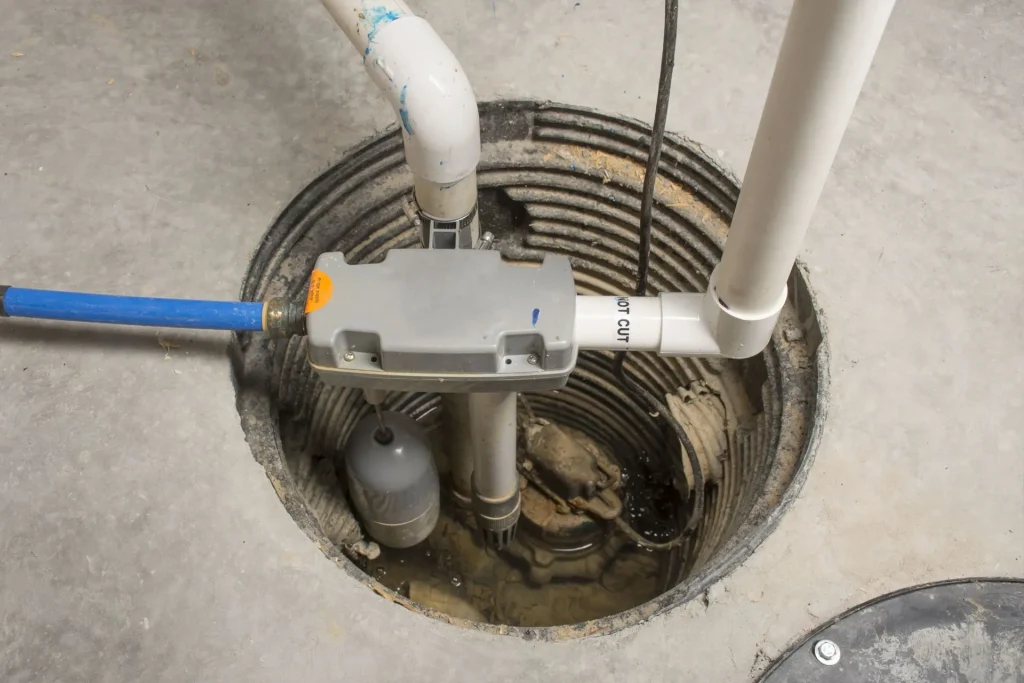
Sump pumps deserve the same practical scrutiny. In cold climates, spring storms and snowmelt often coincide with power outages. A sump system without battery backup is incomplete in many regions. Discharge piping must also be protected from freezing. I have seen otherwise good systems fail because the discharge line was routed too shallow, developed an ice plug, and sent water right back into the basin until the pump burned out.
Crack repair in winter-prone basements
Not all cracks are equal, and not all repairs hold up the same way. In poured concrete, epoxy and polyurethane injections are commonly used, but each serves a different purpose. Epoxy can structurally bond a crack if conditions are right, while polyurethane is often better for active water leaks because it expands and seals flexible pathways. In a cold-climate waterproofing context, flexibility is valuable because seasonal movement is real.
The key is diagnosis. If a crack is leaking because surface water is pouring toward the foundation, injecting it without correcting exterior drainage is a partial fix at best. The crack may stop dripping for a while, yet new moisture paths will develop nearby. On masonry block walls, surface patching almost never solves a persistent leak for long. Water moves through joints, cores, and weak points in ways that are easy to underestimate.
Horizontal cracking or inward bowing changes the conversation. That can indicate significant lateral soil pressure and possible structural distress. Waterproofing still matters, but structural stabilization may need to happen first or at the same time. It is one of those edge cases where the cheapest repair is often the most expensive a few years later.
The freeze zone around the house
One of the most overlooked waterproofing issues in cold climates is the immediate perimeter zone where roof runoff, plowed snow, foot traffic, and partial sun exposure all interact. This is where minor design choices create recurring headaches.
Take front steps and stoops. If a concrete stoop settles slightly toward the house, it can direct water straight against the foundation wall. In warmer weather, that may dry quickly. During winter, meltwater refreezes in the joint, expands it, and keeps feeding the cycle. The same thing happens along driveways and walkways that pitch the wrong way. Basement leaks often begin as hardscape drainage failures.
Snow storage is another practical issue. Many homeowners or snow removal crews pile snow in the same side yard year after year because it is convenient. That large meltwater load ends up concentrated near the foundation just when the upper soil layer may still be partially frozen. If your basement seems to leak only in spring, look at where the snow goes, not just where the water appears indoors.
Here are the most common cold-climate trouble spots I look for on site:
- Downspouts that discharge within a few feet of the foundation
- Negative grading hidden by mulch, edging, or settled landscaping
- Window wells with poor drainage or heavy snow accumulation
- Walkways, stoops, or patios pitched toward the house
- Sump discharge lines vulnerable to freezing or recirculation
None of these issues are exotic. They are ordinary site conditions, which is why they get missed.
Material choices that hold up better over time
Cold climates reward durable assemblies. That sounds obvious, but the details matter. Sealants used at penetrations should remain flexible at low temperatures. Exterior membranes should tolerate some movement and minor substrate imperfections. Drainage boards should be tough enough to survive backfill without collapsing. Backfill itself should drain reasonably well and be compacted carefully so future settlement does not recreate the very grading problem you just paid to fix.
Inside the basement, finish materials should respect the fact that below-grade spaces are not the same as above-grade living rooms. If there is any history of moisture, I favor inorganic or moisture-tolerant materials near the slab and lower wall areas. That might mean closed-cell insulation in the right assembly, cementitious products where appropriate, and avoiding paper-faced materials against cold masonry unless the whole wall system has been redesigned properly.
Even dehumidification enters the waterproofing conversation. It does not stop liquid water intrusion, but in shoulder seasons it can prevent a basement from feeling damp and protect contents while larger drainage issues are being addressed. In many northern basements, the wettest-feeling weeks are not always the rainiest. They are the weeks when cool surfaces meet humid air and everything hovers near the dew point.
When a homeowner can handle it, and when it is time to call a specialist
There are useful maintenance tasks a homeowner can do without much risk. Cleaning gutters, extending downspouts, regrading a shallow low spot, clearing a window well drain, or testing a sump pump are practical first steps. These actions solve a surprising number of minor water issues, especially if the basement has only occasional seepage.
More serious symptoms call for experienced evaluation. Repeated water entry, widening cracks, wall movement, chronic moldy odors behind finished surfaces, or efflorescence returning soon after cleaning all suggest the problem is more than housekeeping. If excavation is being considered, or if there is any sign of structural distress, it is worth getting a proper site-specific assessment rather than guessing.
A good contractor will ask how and when the leak occurs. Only during heavy rain? During rapid snowmelt? At one corner or the whole perimeter? Through the wall or at the floor line? That pattern tells you a lot. The best waterproofing diagnoses usually come from matching symptom timing to exterior conditions.
A practical order of operations
Homeowners often ask where to start when they cannot do everything at once. The best sequence is usually based on controlling the cheapest and most obvious water sources first, then moving toward larger interventions if symptoms persist. That prevents overspending on repairs that do not address the main cause.
A sensible progression often looks like this:
- Correct roof drainage, grading, and obvious surface water issues.
- Inspect cracks, window wells, and visible penetration points.
- Test the sump pump and confirm discharge piping will not freeze.
- Monitor during the next thaw or heavy rain to identify the exact entry pattern.
- Move to targeted crack repair, interior drainage, or exterior excavation based on what the evidence shows.
That sequence is not glamorous, but it is cost-effective. Too many basements get expensive interior finishes or quick sealant work before anyone addresses the downspout dumping at the corner.
Older homes, stone foundations, and realistic expectations
Not every cold-climate basement can be made bone dry to modern finished-living standards without significant work. Older fieldstone and rubble foundations, in particular, behave differently from poured concrete. They often allow some moisture migration by design and by age. Trying to force those walls to act like a new cast concrete foundation can create other problems, especially if impermeable interior coatings trap moisture where the masonry needs to breathe.
For those homes, the right answer may be controlled water management rather than absolute exclusion. Better drainage, localized repointing, a reliable sump, lower interior humidity, and thoughtful storage practices can turn a damp, musty basement into a serviceable, healthy utility space. If the goal is a fully finished recreation room, the budget and scope need to reflect the wall type and its limitations.
That is where experience matters. Basement Waterproofing is not one product or one trick. In cold climates, it is a judgment call built from climate, soil, wall construction, drainage path, and how the space will actually be used.
What lasting performance really looks like
A successful waterproofing job in a freeze-thaw region does not just stop one visible leak. It manages water year-round, survives seasonal movement, and keeps working when the snowpack melts fast after a deep freeze. You should be able to walk into the basement in late March, after a wet thaw, and find no standing water, no fresh staining, no strong musty odor, and no sense that the system is barely keeping up.
That level of performance usually comes from unglamorous decisions made well. Proper slope. Reliable discharge distance. A membrane that fits the wall and climate. Drainage that stays open. Repairs that respect movement. Materials chosen for real conditions, not showroom conditions.
Cold weather exposes shortcuts. It also rewards solid workmanship. If your house sits in a region where winter and spring take turns stressing the foundation, treat Basement Waterproofing as preventive building science, not cosmetic cleanup. Done right, it protects structure, finishes, air quality, and peace of mind for years when the weather is at its worst.
ARD Waterproofing
98 Smull Ave, West Caldwell, NJ 07006, United States
+1 917-691-8411
FAQ About Basement Waterproofing
Can you 100% Waterproof a Basement in West Caldwell?
A properly designed system can substantially reduce basement water intrusion, but no method can promise protection against every flood, equipment failure, or future change in site conditions. The first step is identifying whether moisture comes from surface runoff, groundwater, plumbing, or condensation. Solutions may include grading and gutter improvements, drainage, foundation repairs, and a sump system. Review the specific coverage and exclusions of any written warranty.
How much does it cost to professionally waterproof a basement in NJ?
There is no single price that fits every basement. Cost depends on the cause of the leak, the area needing work, access, excavation requirements, drainage design, sump equipment, and restoration of disturbed finishes or landscaping. Request an on-site assessment and an itemized written estimate that explains the scope, exclusions, and maintenance requirements before comparing proposals.
How long does foundation waterproofing last in West Caldwell, NJ?
Service life varies with the waterproofing materials, installation quality, soil and water conditions, and maintenance. Drainage components and pumps may require servicing or replacement even when other parts of the system remain functional. Keep gutters, drainage outlets, and sump equipment maintained, and have recurring leaks or changes in foundation condition assessed. Ask for product-specific expectations and written warranty terms rather than relying on one lifespan for the entire system.